

OILS
Calamus - Cassia - Cedarwood - Cinnamon - Cypress - Frankincense - Galbanum
Hyssop - Myrrh - Myrtle - Onycha - Rose of Sharon - Sandalwood - Spikenard

CALAMUS
Calamus is a plant. The root (rhizome) is used to make medicine.
-
Despite safety concerns, calamus is used for gastrointestinal (GI) problems including ulcers, inflammation of the stomach lining (gastritis), intestinal gas (flatulence), upset stomach and loss of appetite (anorexia). Calamus is also used as a calming medicine (sedative), to induce sweating, and to treat rheumatoid arthritisand stroke.
-
Some people chew calamus to remove the smell of tobacco, as a stimulant, to increase their sense of well-being, and as a hallucinogen.
-
Some people apply calamus directly to the skin to treat certain skin diseases.
-
In foods, calamus is used as a spice.
-
It is thought that chemicals in calamus cause muscle relaxation and sedation.
Calmus


Cassia


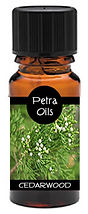
Ceadarwood

Cinnamon
Cinnamon comes from a tree. People use the bark to make medicine.
Cinnamon bark is used for gastrointestinal (GI) upset, diarrhea, and gas. It is also used for stimulating appetite; for infections caused by bacteria and parasitic worms; and for menstrual cramps, the common cold, and the flu (influenza).
-
Cinnamon bark, as part of a multi-ingredient preparation, is applied to the penis forpremature ejaculation
-
In foods, cinnamon is used as a spice and as a flavoring agent in beverages.
-
In manufacturing, cinnamon oil is used in small amounts in toothpaste, mouthwashes, gargles, lotions, liniments, soaps, detergents, and other pharmaceutical products and cosmetics.
-
The oils found in cinnamon bark are thought to reduce spasms, reduce gas (flatulence), and stimulate the appetite. Cinnamon might also increase blood flow. Cinnamon bark also contains a chemical that might work like insulin to lower blood sugar. However, these effects are thought to be fairly weak.
-
There are also ingredients in cinnamon bark called tannins that might help wounds by acting as an astringent, and also prevent diarrhea.
Cinnamon

Cypress


Frankincense


Galbanum


Exodus 30-34
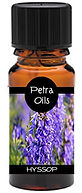
Hyssop


Myrrh


Myrtle


Onycha


Rose of Sharon


Song of Solomon 2:1

Sandalwood


Spikenard


